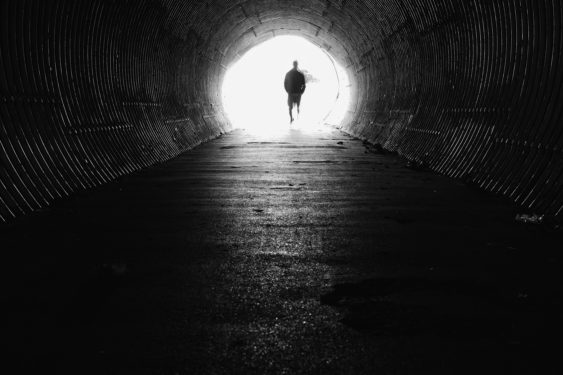
Homelessness is a complex, often misunderstood, social issue. Mental health conditions can be a cause of someone’s homelessness, but the experience of homelessness can often have a significant impact on someone’s mental health. For those without a home, or fear of losing their home, there is often a lack of adequate social support and feelings of isolation. It’s widely documented that rates of suicide and suicidal ideation are more prevalent among homeless populations and this is something Simon Community NI support staff are encountering every day.
The most quoted and most authoritative source on the extent of mental ill health in the adult population in the UK suggests that the prevalence of common mental health problems is over twice as high and of psychosis 4-15 times as high amongst the homeless population compared to the general population. ‘A Picture of Health’ (NI) – A summary of findings from a survey exploring the health of people in temporary accommodation and other homelessness service settings – reported that 26% of clients indicated that they had suicidal thoughts when surveyed.
Home for many represents a place where they belong and without this feeling of belonging somewhere, our sense of self may suffer. Home is our base where we feel safe and secure and it is the place where we unwind and de-stress. Having a secure environment is a basic human need. Without a physical place where they feel safe, people feel under constant threat, stressed and scared. This enduring stress and fear can have a profound impact on both their mental and physical wellbeing.