In my role, I am only too aware of the many pathways into youth homelessness and work daily with some amazing young people aged 16-18 who benefit from the support of someone who is focused on developing their wellbeing, resilience and sense of worth.
But why is this important? For many of the individuals I work with, a home simply isn’t their priority – in fact, how many 16-18 year olds do you know who genuinely want to pay bills, cook their own dinners, and ultimately be a ‘real’ adult? I know countless friends and colleagues in their 30s and 40s who still wish that they didn’t have the stresses of a mortgage and car payments weighing on their hearts and minds. At a time when peers are being grounded for being caught drinking at the weekend, filling in UCAS forms or planning holidays and house-shares with friends; I have some clients who are fearing for their lives over paramilitary retribution, meeting with specialists to manage drug addictions and living from day to day with no hope or aspirations for the future. As you can imagine, such pressures on young people who are missing out on important rights of passages can ultimately have a drastic impact on mental health, physical wellbeing and positive decision making.
At a time when suicide is the leading cause of death amongst young people in the UK, Northern Ireland experiences around 6 deaths per week as a result of suicide, mostly by young males. Research, and my experience of working with clients over the past 7 years, nods to higher rates of suicide and suicidal ideation amongst homeless individuals. However, through building a strong therapeutic alliance, I work with numerous young people who are actively building the essential skills needed to understand and manage their own wellbeing and health. These are young people who will eventually move on to independent living with the goal of succeeding and flourishing in our society.
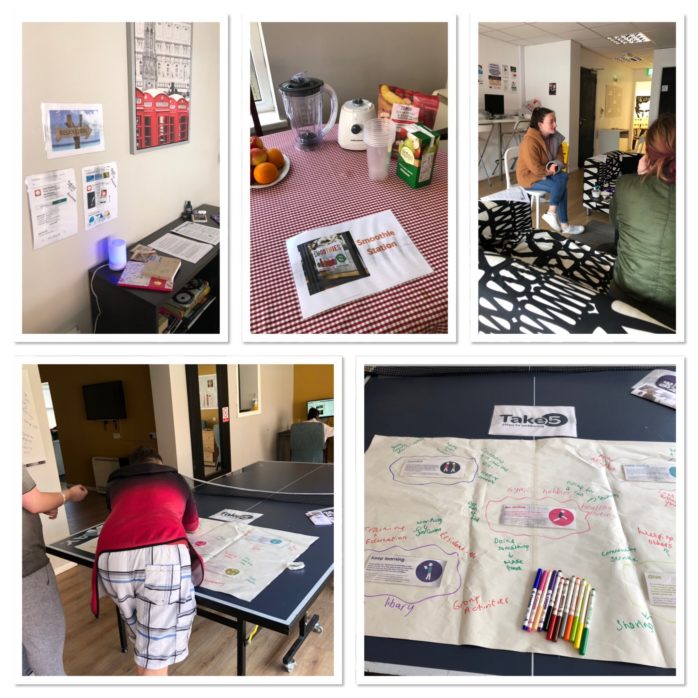
By engaging creatively with our young people, many of whom shy away from formal learning and authority, I create 1:1 plans which are client-centred and allow young people the opportunity to develop. These plans include independent living skills, social skills and show young people new ways to better manage their emotions. Examples of some this work includes: